KOL Mint Editorial
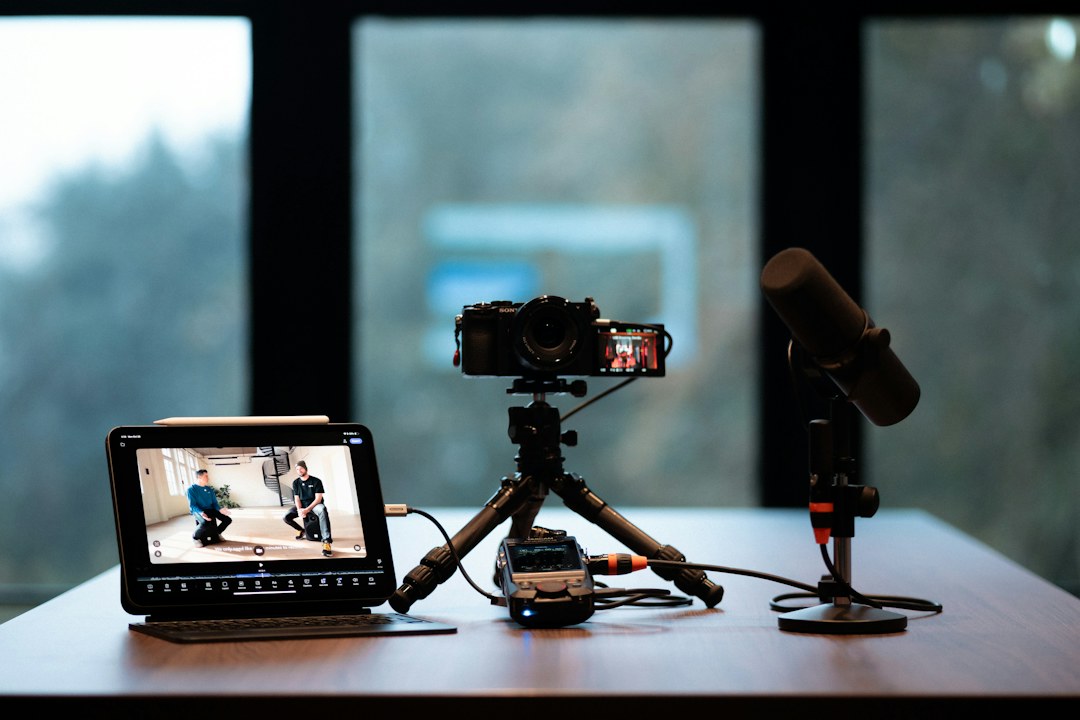
Podcast advertising sounds intimate because listeners hear a familiar voice over time. That familiarity creates commercial value, but it also makes hidden sponsorships and synthetic voice substitutions especially sensitive. A paid segment can be placed in the original recording, injected later by the hosting platform or repurposed into a short video for another market. Each delivery method changes who hears the message, which disclosure travels with it and what rights the advertiser actually bought. Creators need a workflow that preserves listener trust without making every sponsor placement a legal investigation. The starting point is to separate the audio asset, the placement contract and the rights to reproduce a person’s voice.
Map the actual sponsorship formats
A host-read message recorded as part of an episode has different control points from a dynamically inserted advertisement assembled at playback. A sponsorship may also appear as a segment mention, an affiliate invitation, a newsletter insert or a social clip. For each format create a placement identifier, campaign owner, exact spoken script, flight dates, territories, landing page and responsible reviewer.
Do not assume the original episode description will follow an isolated ad clip. A publisher who sells the same segment for a second channel should verify that the disclosure and relevant conditions accompany the reused recording. The inventory sheet is simple, but it prevents the common operational error of losing track of which version of an advertisement is currently running.
Design an audible and understandable disclosure
The US Federal Trade Commission’s Disclosures 101 guidance emphasizes clear, conspicuous communication of material relationships. In audio, a disclosure should be understandable to someone who is listening, not hidden in a profile biography. A straightforward statement such as “This segment is sponsored by…” works better than unexplained jargon. A creator should not promise objective independence while an undisclosed advertiser has approved every line.
For podcasts with video versions, keep spoken and visible disclosures aligned. Audit the first seconds of the segment, its captions and its standalone social edit. A listener arriving through a clipped video may never hear an earlier episode-level disclosure. When a contract requires brand approval, give sponsors the right to check factual product claims but keep the host’s obligation to state the sponsorship plainly.
Separate the right to use a recording from the right to synthesize a voice
The host’s consent to record an advertisement is not automatically consent to clone their voice for every future campaign. Define permitted voice models, approved scripts, editing boundaries, duration, languages, territories and the revocation procedure. A campaign may legitimately purchase a recorded endorsement while having no rights to train a model or generate new words in the host’s style.
If the company proposes translation or AI dubbing, require a sample for human approval before delivery. Record which parts are original speech and which are synthetic. Store approval as a versioned artifact so a later operator cannot reinterpret the contract as blanket authorization. Consider whether model removal, generated file deletion and downstream takedown can realistically be performed before promising perfect reversibility.
Account for evolving synthetic-content transparency rules
The EU AI Act’s Article 50 establishes transparency requirements relevant to certain AI-generated or manipulated material, subject to scope and exceptions. That does not mean every edited recording needs the same label, but it is a reason to document how a synthetic voice or altered audiovisual clip is identified. A publisher serving multiple regions should obtain appropriate legal review rather than simply importing the strongest rule into every context.
Make the implementation product-specific: a production log records model used, voice owner, human approval, disclosure location, generation date and distribution variants. At delivery, inspect the actual audio and video as an ordinary listener would. Machine-readable marking may help downstream systems, but the audience still needs accessible and understandable information when a rule or fair advertising practice requires it.
Measure a campaign without pretending attribution is perfect
A listener may hear a sponsored recommendation on Tuesday and buy on Friday using an untracked device. Coupon codes, tracked links, landing pages and post-campaign surveys each observe a different subset of outcomes. Report measurable events as measurable events; do not label all later sales as caused by the podcast. Include exclusions for refunds, repeat purchasers and internal tests where payment depends on conversions.
Dynamic ad systems add another complication: a downloaded or delivered ad is not necessarily a human who listened attentively. Keep delivery counts, eligible inventory, verified clicks, conversions and payment receipts in different columns. That protects both the creator and advertiser when reconciliation is needed. The goal is repeatable evidence, not an inflated return-on-investment headline.
Build a reversible campaign operating procedure
Before launch, sign off on the current script and rights schedule, check audible disclosures, confirm synthetic voice approvals and generate an inventory manifest. During the campaign, track active placements and complaints. At expiry, stop dynamic insertion, remove unauthorized clips from controlled channels and retain limited evidence needed for billing disputes. Public removal and record retention can coexist when each serves a defined purpose.
The useful benchmark is not how quickly a creator can generate twenty voice variants. It is whether a producer can answer four questions without guesswork: who authorized the voice, which wording was approved, where is the advertisement live, and when must it stop? Clear answers make a podcast business safer to scale, particularly when AI reduces the cost of creating and redistributing audio.