KOL Mint Editorial
Generative AI makes derivative creation cheap. A licensed creator persona can be placed in a new scene, restyled, combined with another character or used as the basis for a new fictional identity. Traditional contracts often use broad language around “derivative works,” but continuous generation requires more operational detail. Licenses should distinguish harmless variation from creation of a new commercial asset.
Define what counts as a normal variant
Changing outfit, background, language or crop may be routine campaign production rather than a new derivative work. List the transformations that are included in the base license. This avoids requiring legal approval for every minor generation.
Separate identity-preserving and identity-changing edits
A creator wearing a different jacket is not the same as changing age, ethnicity, body shape or recognizable facial features. Identity-changing edits may require stronger permission. The line should be explicit.
New fictional characters need a rule
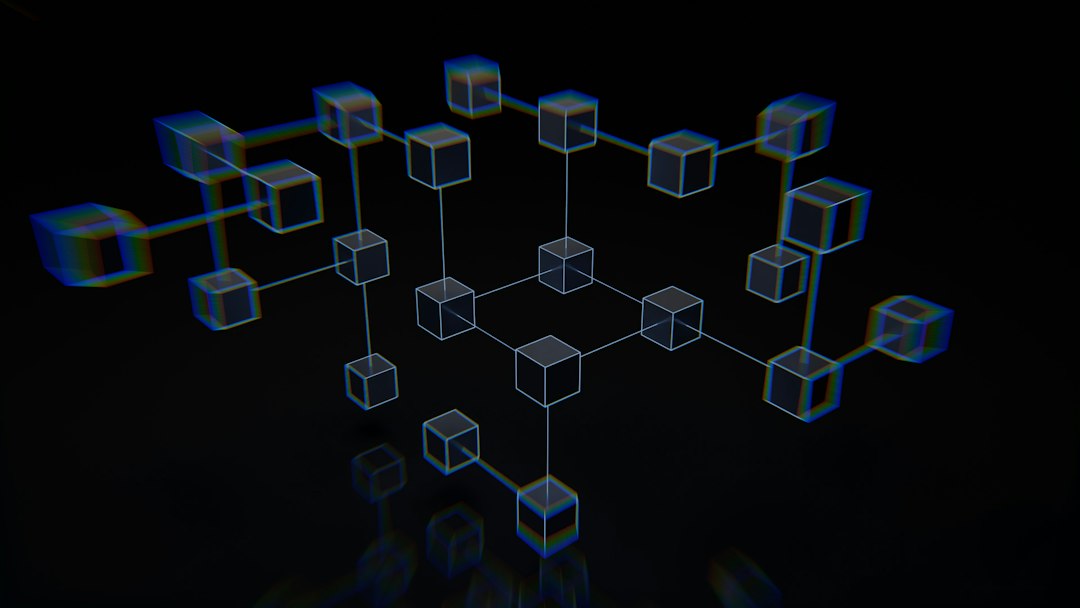
If a model trained on or conditioned by a creator identity produces a new character that resembles them, who owns it? The agreement should state whether creating spin-off characters is allowed and how similarity is evaluated. Combining two creator personas or a creator with a fictional franchise can require permission from both rights holders. The output should reference all contributing licenses. A sublicensing graph can make these dependencies visible.
Commercial use may differ from fan use
A community may be allowed to create non-commercial fan remixes while brands need a separate license for advertising or merchandise. Distribution context matters as much as the transformation.
Voice derivatives need separate treatment
Changing pitch, accent or language can create a derivative voice asset. Permission to synthesize one approved voice does not necessarily mean permission to create new voice identities from it. Permission to generate derivatives with a platform does not automatically allow a licensee to train its own model on the outputs. Model training should remain a distinct scope.
Version derivative permissions
A creator may become more or less permissive over time. Historical outputs should reference the license state that existed when they were generated. This protects legitimate past use after rules change.
Revenue share can follow derivative type
A simple image variant may use the base royalty, while a commercial spin-off character may justify a different revenue split. Economic rules can be attached to the derivative category.
Use provenance metadata in outputs
Store parent asset IDs and contributing identity references so the platform can reconstruct how a derivative was created. This supports both royalty accounting and dispute resolution.
Revocation needs practical consequences
If a creator revokes future derivative rights, the platform should know whether existing published variants can remain and whether new ones must stop. Our article on Digital IP Revocation covers the broader lifecycle.
Use examples to make derivative categories understandable
Legal categories become easier to operate when each one includes concrete examples. A “standard variant” might include outfit, background and language changes. A “material identity change” might include changing age, creating a new voice identity or combining the persona with another protected character. These examples help creators, agencies and AI systems interpret the rule consistently. They also improve user interfaces: instead of asking a producer to understand contract language, the generation tool can show whether a requested transformation is pre-approved, requires creator review or is prohibited. Clear examples turn derivative licensing from an abstract clause into a usable production policy.
Derivative approvals need a reusable decision tree
Instead of sending every unusual edit to legal review, platforms can encode a decision tree. First ask whether the identity remains recognizable, then whether another protected IP is introduced, whether the output is commercial, and whether the transformation changes sensitive characteristics such as age or voice identity. Common low-risk paths can be pre-approved, while higher-risk branches require creator confirmation. A reusable decision tree reduces review time and makes policy consistent across agencies, markets and production teams. It also gives AI generation systems a way to explain why a requested remix is allowed, restricted or blocked.
Derivative rules turn creative freedom into manageable rights
AI makes remixing easy, but commercial clarity still matters. Defining normal variants, identity-changing edits, spin-offs and training rights lets creators support experimentation without accidentally licensing unlimited new IP.
Derivative licensing also needs a clear rule for when a remix becomes a new asset that deserves its own version and approval. A minor crop or language adaptation may remain under the parent license, while a new character, altered voice or materially different commercial use may require a fresh grant. Versioning those decisions prevents “derivative” from becoming an unlimited permission bucket.