KOL Mint Editorial
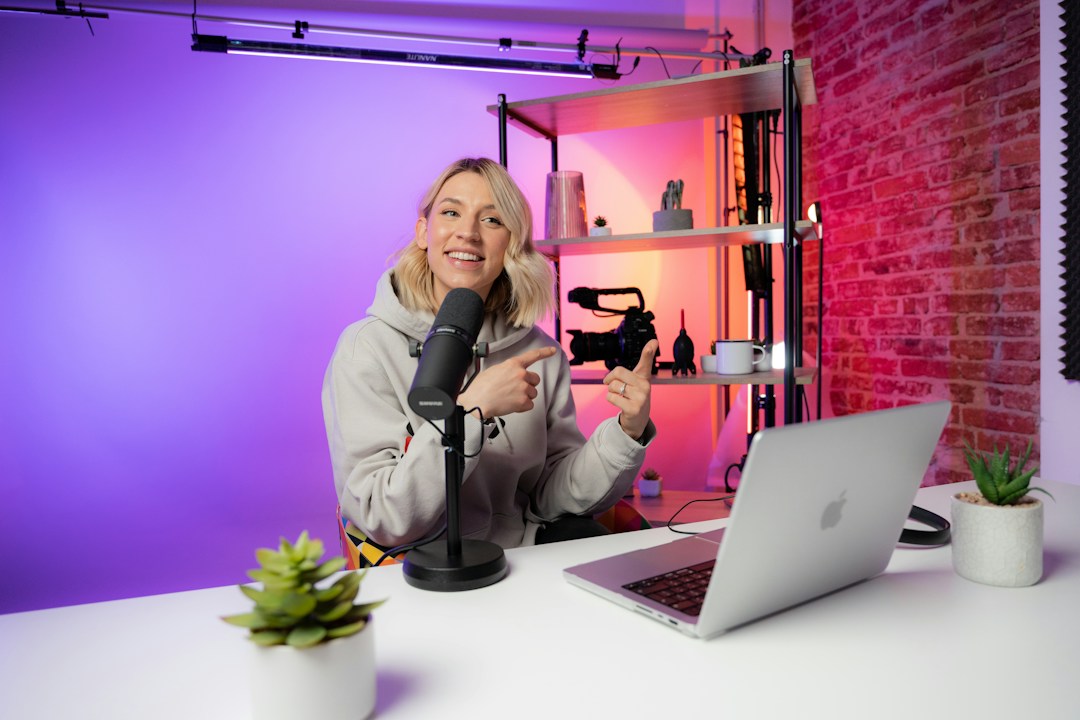
Livestream shopping and AI creator personas are converging, but their disclosure obligations are easy to confuse. A digital replica can present a paid recommendation without the creator being present, and a short video can be both sponsored and synthetically altered. This guide turns official FTC and YouTube materials into an operational review process for brands, creators and affiliate managers.
Two kinds of disclosure that should never be merged
A brand partnership and synthetic media are different facts. A creator may receive money or products to promote a brand, and a separate AI system may change the face, voice or setting shown to viewers. The Federal Trade Commission’s influencer guidance addresses material connections between endorsers and advertisers. YouTube’s guidance addresses realistic altered or generated content. One label does not automatically satisfy the other responsibility. A livestream featuring an AI version of a real creator may need both commercial and synthetic-media transparency.
A sensible campaign brief records the brand, the authorized human creator, the synthetic persona version and the platform-specific disclosure steps. A label such as ‘AI-generated’ tells viewers how content was made, not who funded an endorsement. A label such as ‘sponsored’ identifies a commercial relationship, not whether a visible speaker is simulated. Treat these as independent decisions that can both be true on the same stream.
Map the disclosure to every surface in the fan journey
A branded AI livestream rarely ends at one video. Audiences can see a promotional clip, a live chat overlay, a pinned link, an AI character landing page and short highlight edits posted later. Each surface changes the context in which viewers interpret a recommendation. FTC staff guidance says a disclosure should be difficult to miss and located with the endorsement itself. A buried profile statement or an ambiguous group of hashtags is a weak substitute for a clear contextual notice.
Create a disclosure matrix before production. For an on-screen video endorsement, consider a visible label and an audible explanation when applicable, because many viewers watch without sound and others listen with the screen off. For a link card or a creator storefront, disclose affiliate relationships near the call to action. For a fan chat involving the synthetic persona, plainly state that the participant is an AI representation and name any commercial role that matters to the response.
Test the viewer’s understanding, not just the presence of text
Automated audits can verify that a disclaimer string exists in a template yet still miss poor real-world communication. A small mobile usability test can ask viewers three questions after five seconds: Was the voice generated or human? Was the recommendation sponsored? Could this AI actually speak for the creator personally? Incorrect answers are evidence that placement, contrast, timing or language needs work. They do not necessarily prove a legal violation, but they reveal the product failed to communicate a material fact.
Repeat tests with captions on, sound off and different screen sizes. A lower-third disclosure may be covered by platform controls or cropped when a livestream becomes a vertical highlight. Translations matter too: viewers in Japan, Korea and Southeast Asia may interpret shorthand commercial labels differently. Local counsel can assess jurisdiction-specific requirements. The design objective remains consistent: disclosure should be understood at the moment an endorsement influences a decision.
Put an approval boundary around every synthetic claim
A synthetic persona can generate innumerable statements during a live conversation. A general creator endorsement contract cannot plausibly mean the creator approved every spontaneous claim about a product. Structure the system with a product-claims library, restricted attributes, prohibited promises and a defined escalation path for uncertain questions. Statements about refunds, medical effects, financial results or guaranteed outcomes should never be improvised merely to keep a conversation engaging.
The human creator should be able to approve identity assets, authorized brands and the campaign’s permitted wording before activation. Brand representatives should review factual product specifications and mandatory notices. Log the version of the approved claims library used during each session, but avoid retaining unnecessary personal conversation data. When a policy conflict occurs, stop the commercial answer and offer a neutral handoff instead of inviting the model to manufacture a confident explanation.
Separate rights to likeness from rights to sponsorship revenue
Voice and likeness permission, content distribution permission and revenue participation are distinct assets. An agency might have a limited right to create an AI avatar but no right to sublicense that avatar for alcohol, gambling or political advertisements. Even a permitted campaign may cover only a territory, language, platform and timeframe. The publishing system should evaluate those conditions before a sponsored clip goes live rather than depend entirely on someone’s memory of the contract.
Settlement is a second problem. Record creator compensation, platform commissions, affiliate referrals, refunds and chargebacks in separate ledgers with named definitions of eligible revenue. Disclosure events belong in that audit trail, but the existence of a disclosure should not itself determine payment. If a brand pauses a campaign, future AI endorsements must stop even if older approved videos remain online under contractually agreed archival terms.
Build a reproducible preflight and incident workflow
Before the first stream, require six approvals: valid likeness license, brand scope, synthetic-content declaration, sponsorship disclosure placement, claims-library version and human escalation contact. Capture evidence of the actual published experience on each platform. Test the live path with difficult fan questions, a broken affiliate link and an unexpected brand mention. Marketing, trust and support staff should know who can immediately suspend a synthetic campaign.
After launch, review viewer misunderstanding, reported impersonation, complaints about undisclosed sponsorship and unauthorized claims. Preserve enough non-sensitive evidence to resolve a specific incident, then apply the stated retention rules. YouTube’s disclosure interface and the FTC’s influencer materials are useful starting references, not interchangeable legal checkboxes. Brands investing in creator AI will earn lasting trust through visibly accountable operations, not by merely attaching ‘AI’ somewhere in the description.
The durable rule is to disclose what the viewer needs to know about both incentives and authenticity, then restrict what the AI is authorized to promise. A clearly identified digital persona can still be engaging; deceptive ambiguity is not a prerequisite for conversion.
Sources
Illustration: Unsplash photo-1673767298248-b128f17f89af. This guide is not legal advice.